- Overview
- Trip Outline
- Trip Includes
- Trip Excludes
- Gallery
- Reviews
- FAQ
CULTURAL TOURISM
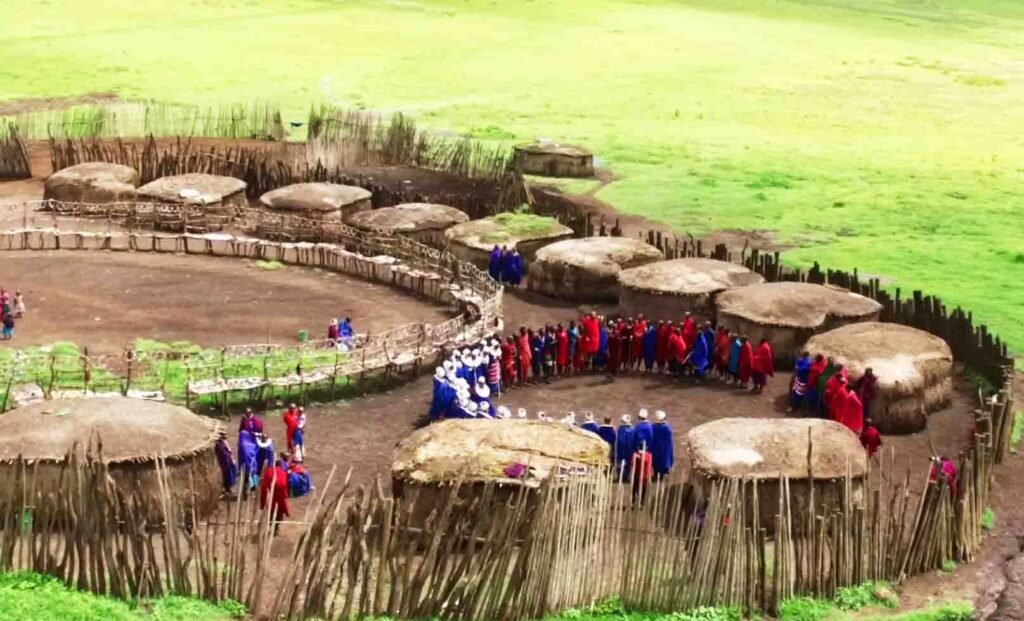
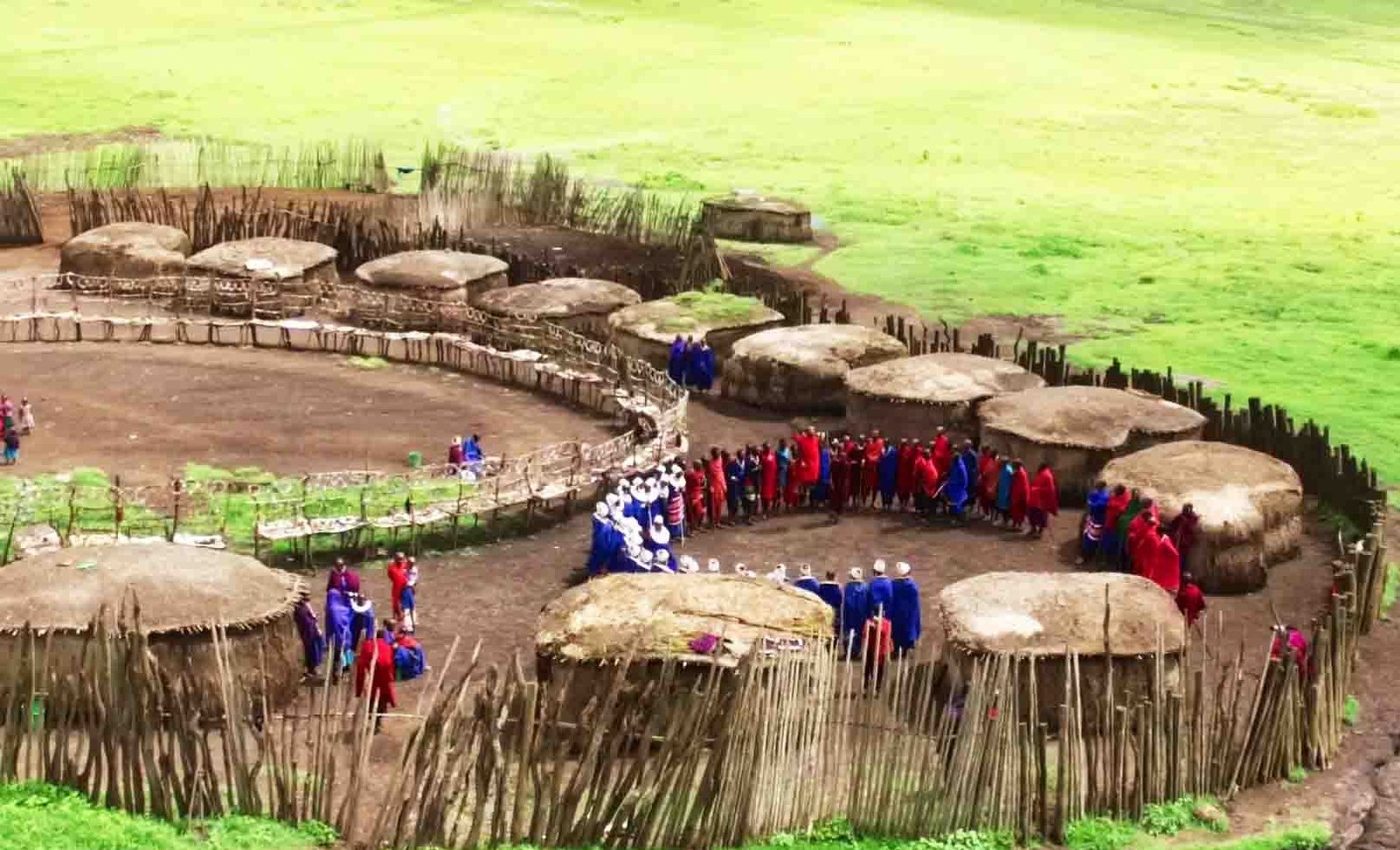
Tanzania cultural tourism packages offer immersive experiences, including Maasai village visits, Hadzabe Bushmen hunting, coffee farm tours in Mto wa Mbu, Kondoa Stone paints and Ismila natural pillars. Popular 5–10 day packages blend these cultural encounters with wildlife safaris in the Serengeti and Ngorongoro Crater;
Cultural tourism provides significant economic, social, and cultural benefits, including boosting local economies, creating jobs, and preserving heritage sites. It promotes cultural exchange and mutual understanding between tourists and hosts while encouraging community pride and the preservation of traditions.
POPULAR CULTURAL TOURISM EXPERIENCES
8-Day Authentic Cultural Tour: Features Maasai village visits at Olpopongi, Hadzabe/Datoga tribes at Lake Eyasi, Olduvai Gorge, and Tengeru agricultural tours.
Northern Tanzania Cultural Tour (5–7 days): Focuses on Mto wa Mbu village (biking, local food), Lake Eyasi (Hadzabe), and Monduli Juu (trekking).
Stone Town & Zanzibar Cultural Tours: Explores 19th-century history, including the Slave Market, House of Wonders, and spice tours.
Arusha Cultural Day Trips: Visits to Ilkiding'a for traditional meals, Meru cultural sites, and Sapuk waterfalls.
Specialty Tours: Women-only community safaris, community volunteering near Lake Victoria, and bushmen hunting/gathering experiences.
CORE CULTURAL ACTIVITIES
Tribal Interaction: Engaging with over 120 tribes, most notably the Maasai (livestock rearing), Hadzabe (hunting), and Datoga (blacksmithing).
Traditional Activities: Learning to make traditional pottery, foraging for food, and practicing traditional farming methods.
Local Markets and Cuisine: Visiting local markets for traditional food tasting in Arusha, Kilimanjaro, Iringa, and Mbeya.
Historical Tours: Visiting historical sites like the Olduvai Gorge and the ancient Meru traditional museum and more.
ECONOMIC BENEFITS
Job Creation & Economic Growth: Cultural tourism generates income and supports local businesses, including artisans, guides, and hospitality providers.
Infrastructure Development: Revenue from visitors often funds improvements to local infrastructure, such as transportation, public services, and sanitation.
Increased Local Investment: Tourism investments often flow directly into communities, creating opportunities for small-to-medium-sized enterprises.
CULTURAL AND SOCIAL BENEFITS
Heritage Preservation: Tourism provides a financial incentive to restore and maintain historical sites, monuments, and traditional arts.
Cultural Exchange: It encourages cross-cultural understanding, empathy, and respect between visitors and host communities, breaking down barriers.
Cultural Pride: Involving communities in tourism fosters a sense of pride in their local heritage and traditions, ensuring their continuity.
ENVIRONMENTAL AND EDUCATIONAL BENEFITS
Environmental Awareness: Responsible tourism promotes awareness of natural resources and encourages the preservation of the landscape.
Lifelong Learning: Visitors gain in-depth knowledge and authentic experiences, enriching their understanding of history, arts, and local customs.
No details found.
No details found.
No Details Found
Related Trips



There are no reviews yet.